Digital Marketing
Digital Marketing refers to the use of digital channels, platforms, and technologies to promote products, services, or brands to a target audience. It encompasses a wide range of strategies such as search engine optimization (SEO), content marketing, social media marketing, email marketing, online advertising, and influencer marketing. The key advantage of digital marketing over traditional marketing is its ability to reach a global audience with precision, track performance in real-time, and adapt campaigns based on immediate feedback. By leveraging data and analytics, businesses can understand consumer behavior, segment audiences, and deliver highly personalized and targeted messaging.
- Search Engine Optimization (SEO)
- Social Media Marketing
- Email Marketing
- Content Marketing
- Pay-Per-Click (PPC) Advertising
- Influencer Marketing
The landscape of digital marketing is ever-evolving due to advancements in technology and shifts in consumer behavior. Social media platforms, search engines, and e-commerce sites have become essential touchpoints for brands, allowing for direct interaction with consumers. Additionally, digital marketing strategies often emphasize customer engagement, building relationships, and nurturing loyalty through various online channels. As more businesses embrace digital transformation, digital marketing has become integral to staying competitive, driving brand awareness, generating leads, and increasing sales in an increasingly connected world.
What Benefit You Will Get
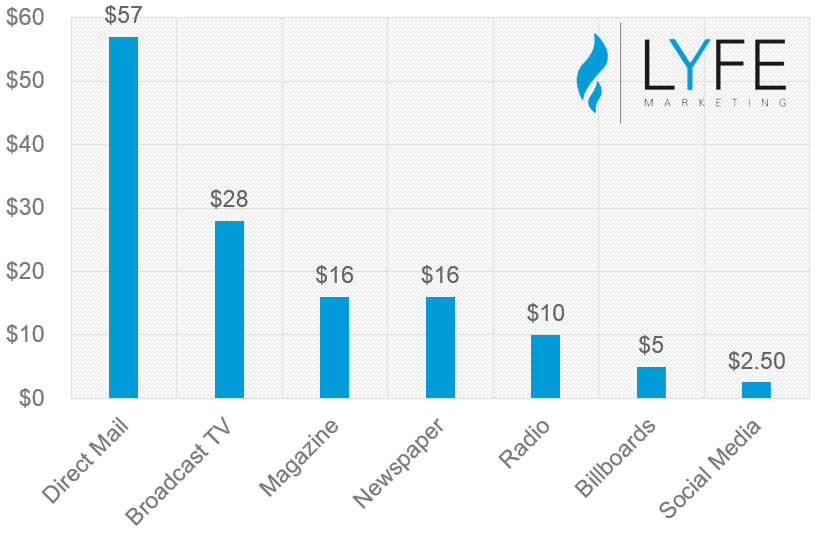
Digital Marketing offers a wide range of benefits, making it a powerful tool for businesses of all sizes. One of the primary advantages is cost-effectiveness—digital campaigns, such as social media ads or email marketing, often require less investment compared to traditional forms of advertising like TV or print. Additionally, digital marketing enables precise targeting, allowing businesses to reach specific demographics based on factors like location, age, interests, or browsing behavior. This leads to higher-quality leads and better return on investment (ROI). Real-time tracking and analytics also allow businesses to measure performance, make data-driven decisions, and optimize campaigns on the fly for maximum impact.
Another key benefit is the ability to reach a global audience. With digital marketing, geographical barriers are eliminated, enabling businesses to expand their reach beyond local or regional boundaries and connect with customers worldwide. It also supports 24/7 engagement—with the right strategies, businesses can interact with potential customers at any time, whether through automated chatbots, social media responses, or personalized emails. Furthermore, digital marketing fosters stronger customer relationships by providing valuable content and personalized experiences, which can lead to increased brand loyalty and long-term customer retention. Overall, digital marketing empowers businesses to create more efficient, scalable, and impactful marketing strategies.
Our Working Proccess
The working process of digital marketing begins with defining clear business goals and developing a tailored strategy to achieve them, using various digital channels such as SEO, social media, email marketing, and paid ads. Next, marketers conduct audience research to identify target demographics and create engaging, valuable content that resonates with the audience. Once the content is ready, campaigns are executed across selected platforms, using tools to automate and manage the process. Performance is continuously monitored through analytics, allowing marketers to track metrics like website traffic, conversions, and engagement. Based on these insights, campaigns are optimized in real-time, with adjustments made to improve effectiveness. Finally, after the campaign concludes, results are analyzed, and key takeaways are used to refine future strategies for better outcomes.